

In thirty quick minutes, you can make these fun and easy DIY foam stamps! The best things about these stamps (other than their ease in their creation) are that they’re reusable and you can recycle cardboard boxes to make them.
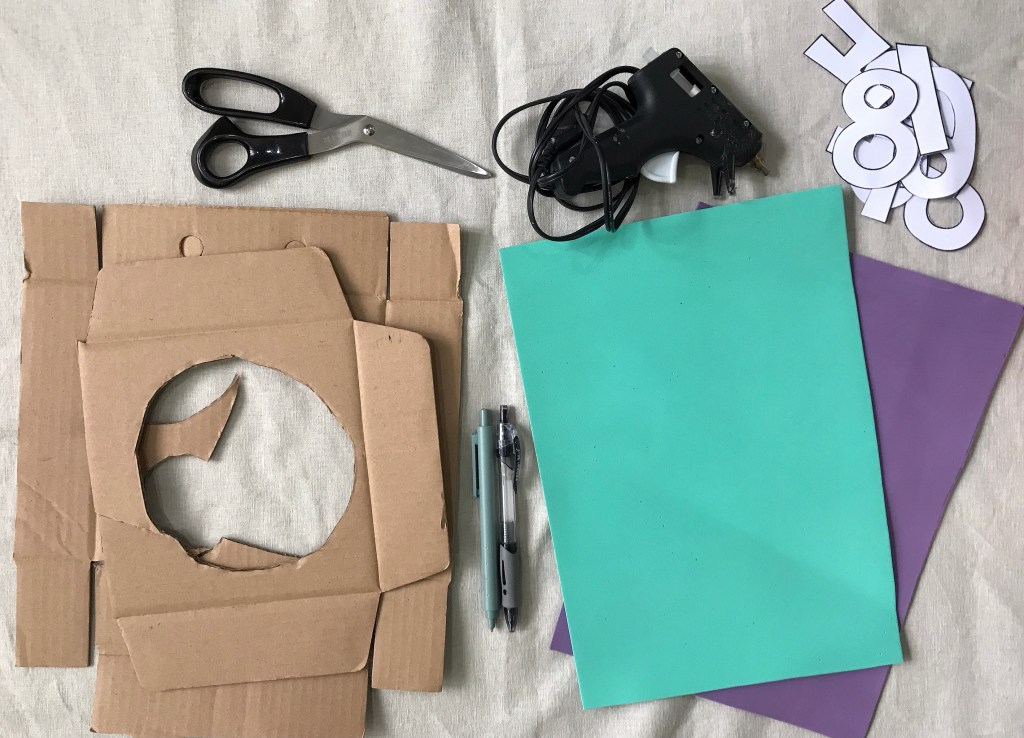
Materials needed:
- foam sheets
- scissors
- cardboard
- writing utensils
- hot glue gun + hot glue
- number template (optional)
Method:
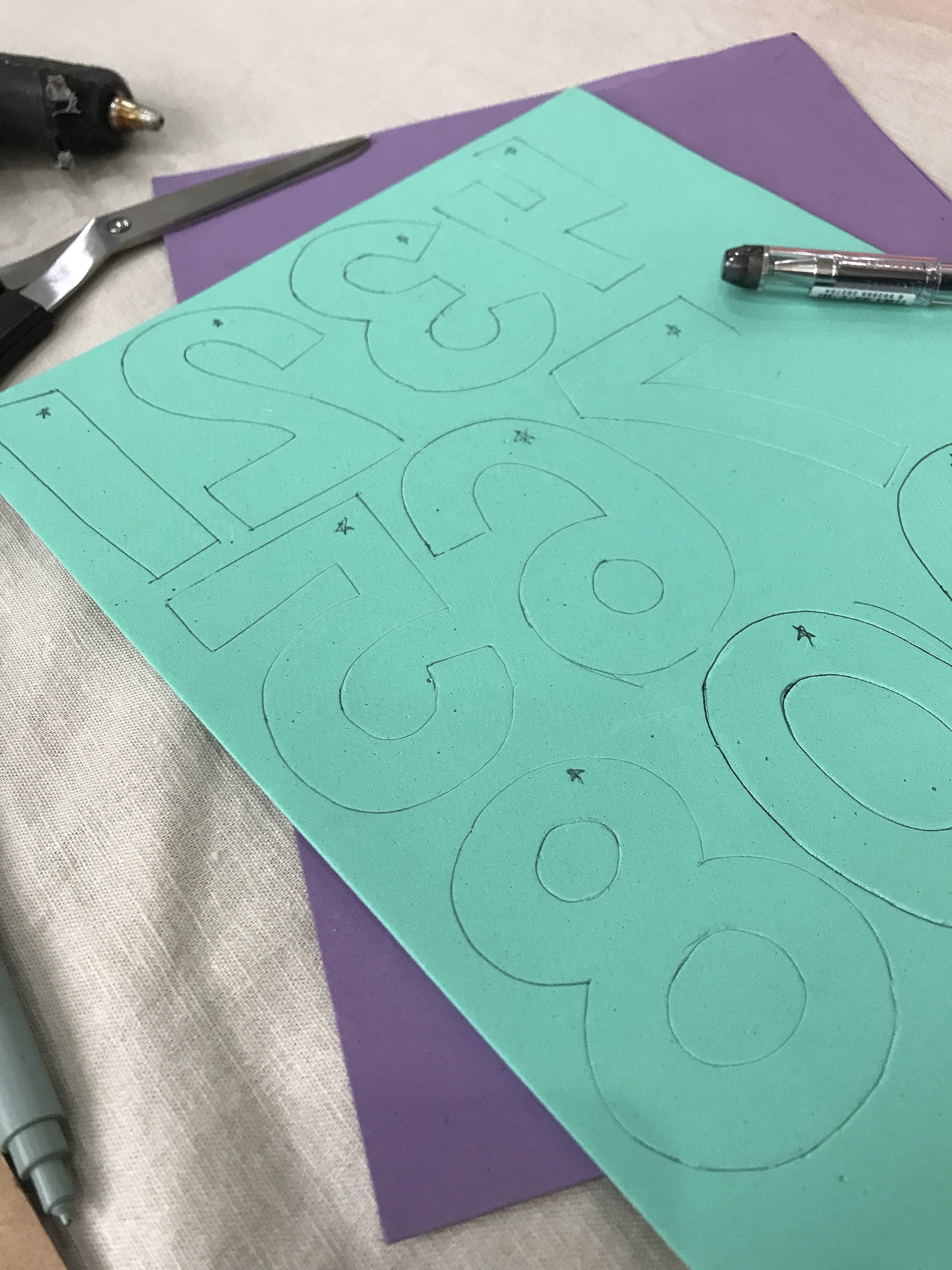
- Simply trace your desired shapes onto the foam, cut them out, and hot glue them to the cardboard!
Since I’ve decided to create number stamps, I made sure that the number forms were reversed so when they’re stamped, they’re in the right orientation. I placed a star on the top corners of the numbers to remind me that they should be facing up when I glued the foam to the cardboard.
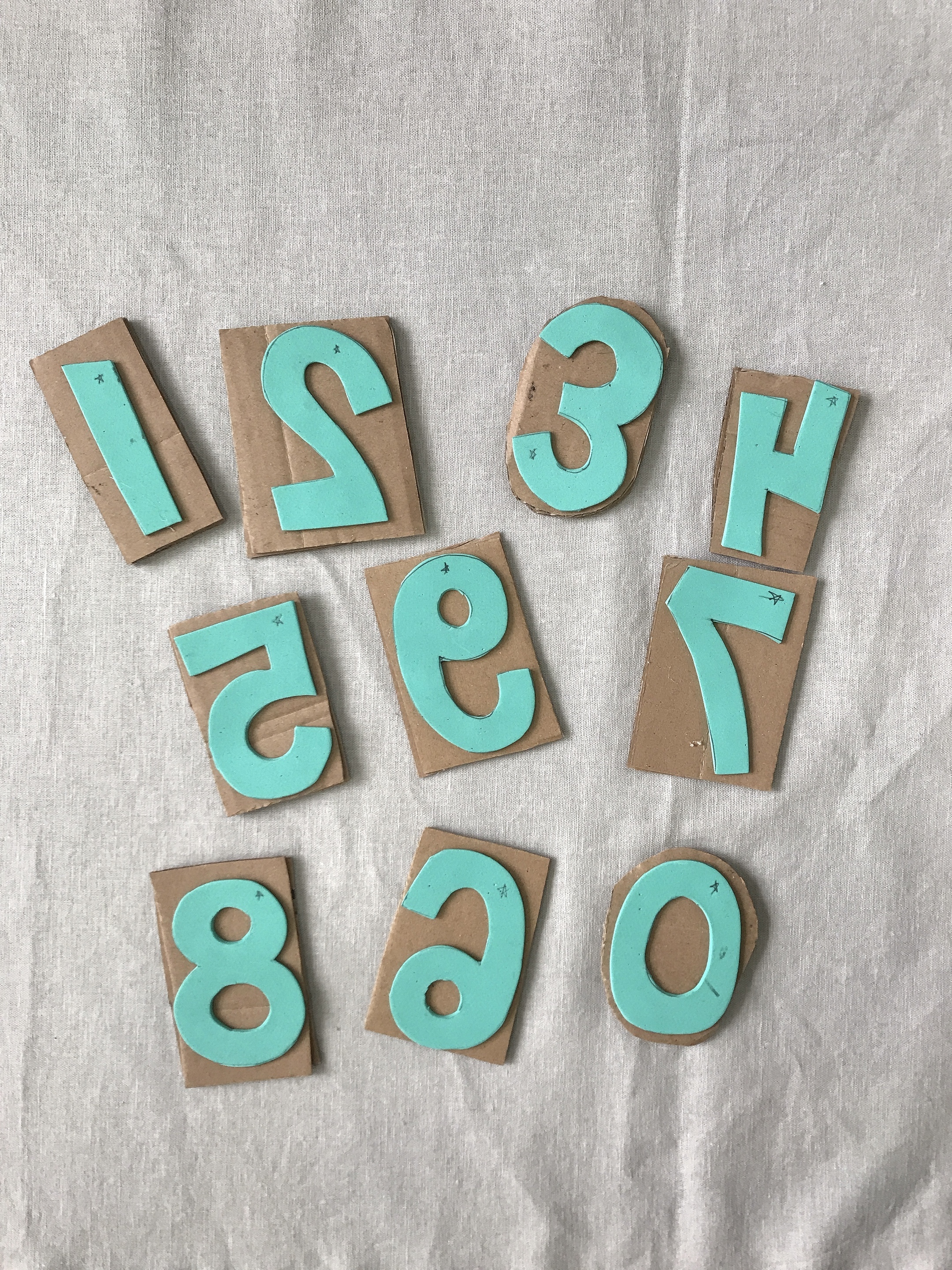
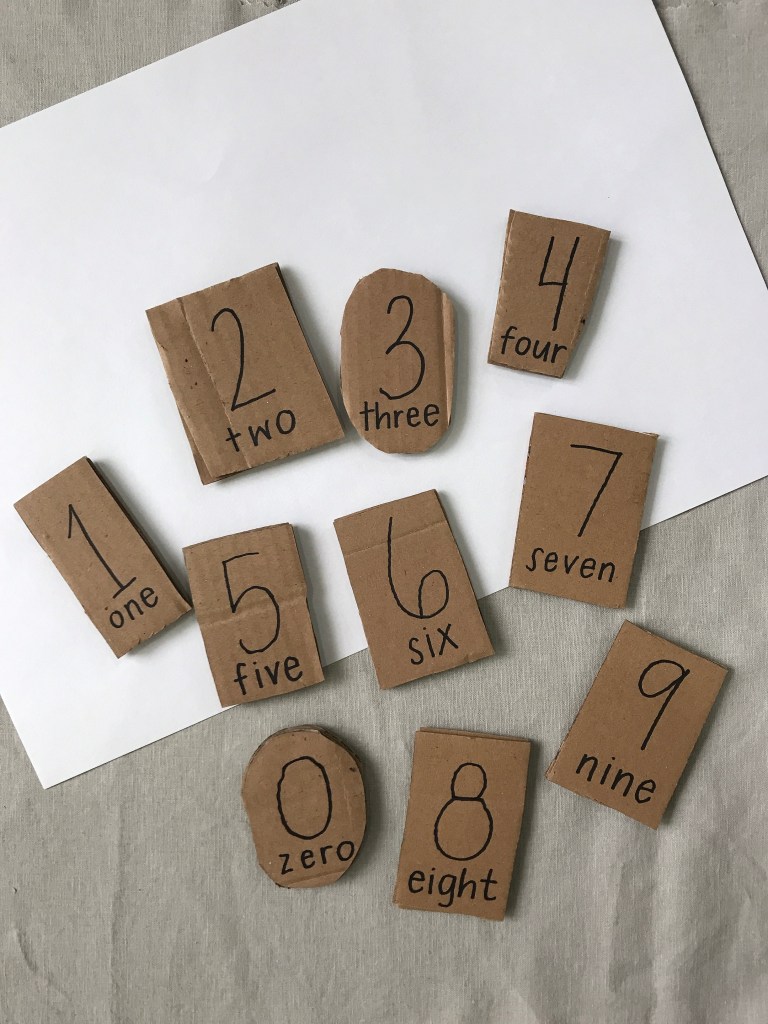
Label the stamps as desired.
Now for the fun part…the stamping!
I used acrylic paints to stamp the numbers onto the page, but feel free to choose whatever medium you’d like! You can use a brush to add paint to the stamp or press the stamp into a puddle of paint before transferring the image.
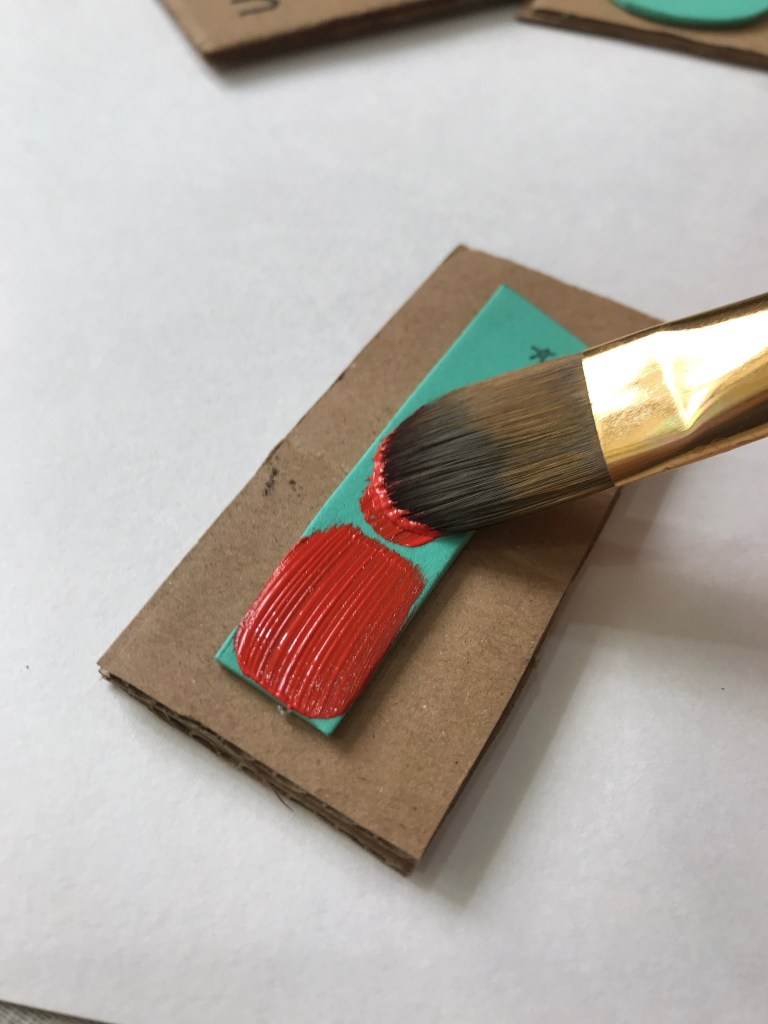
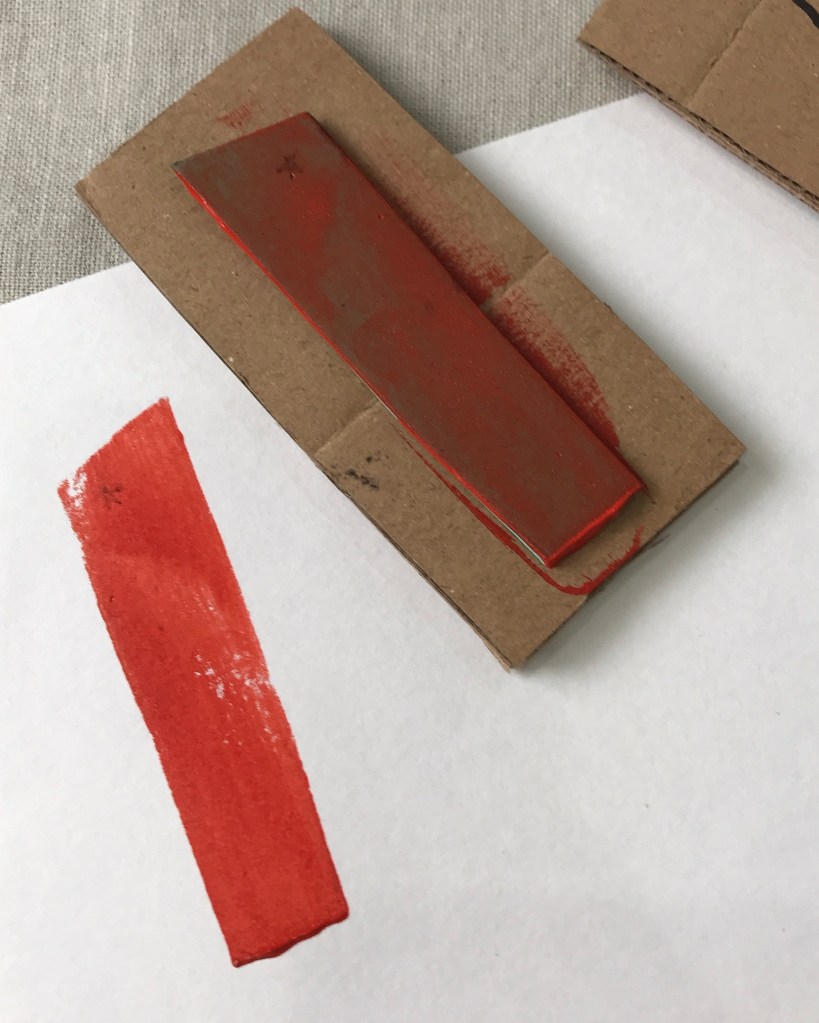
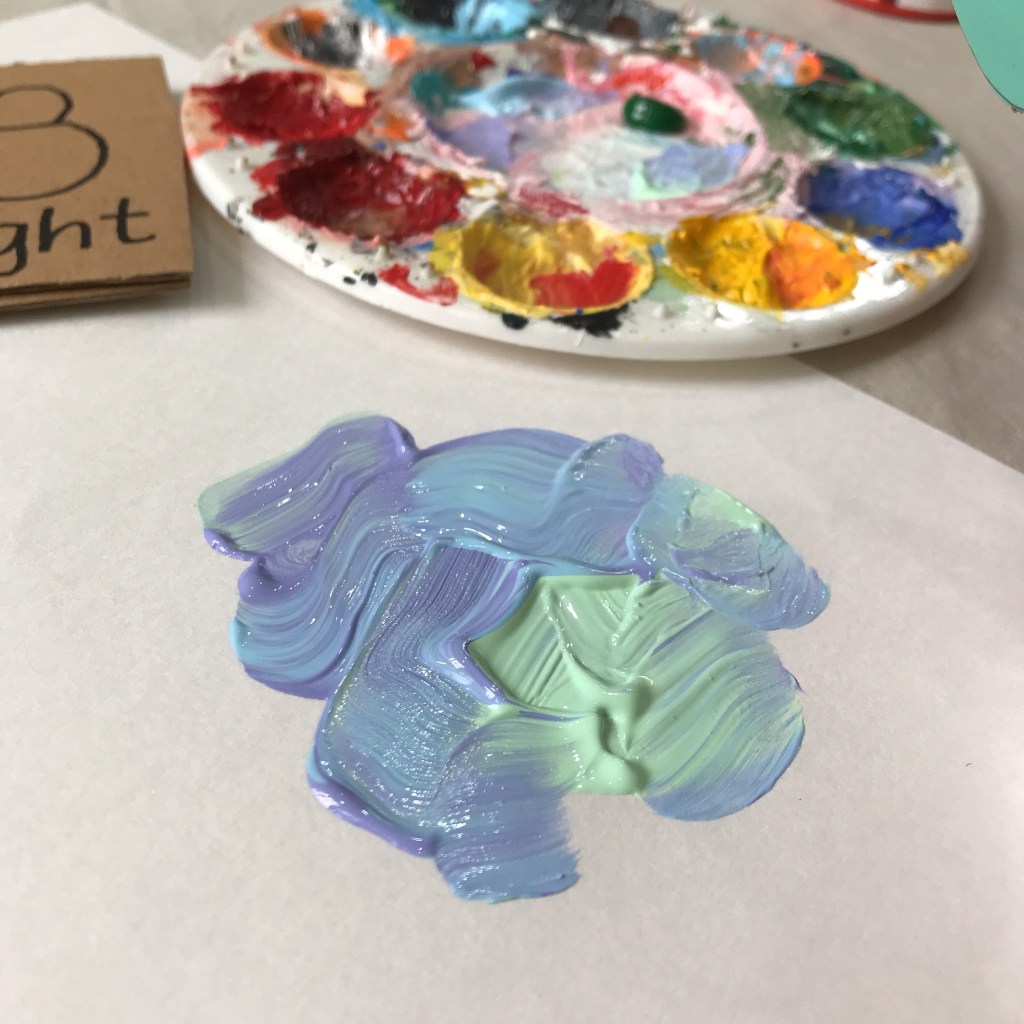
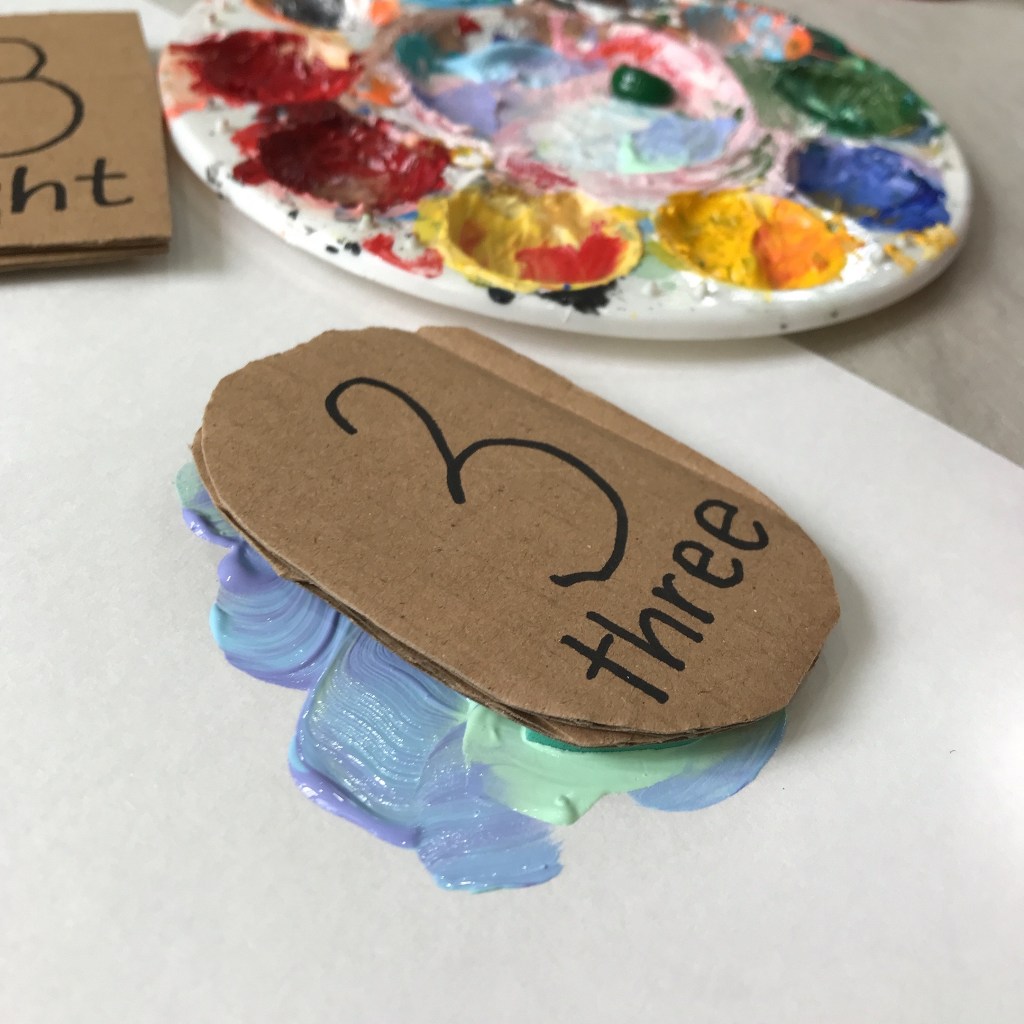
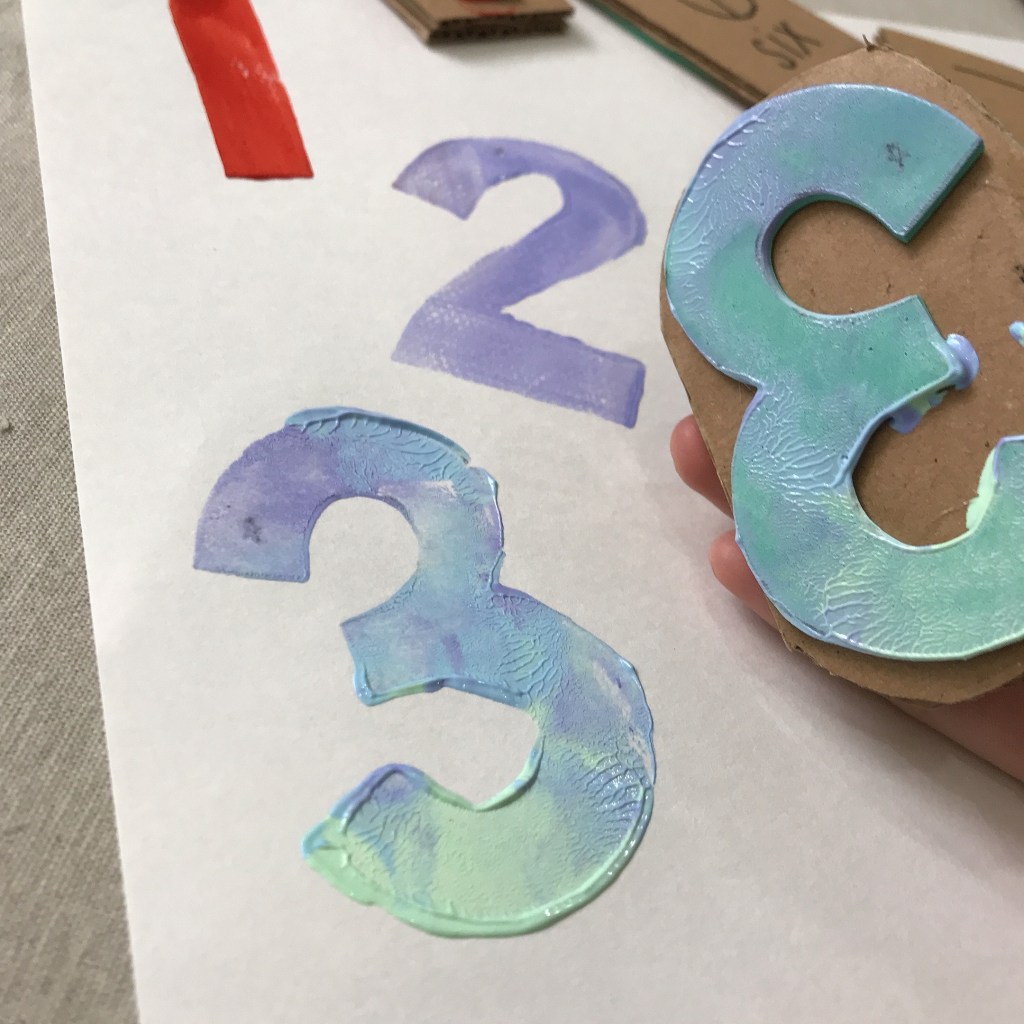
Both methods work well and are equally fun. They also provide opportunities for color mixing and fine-motor practice.
These number stamps allow children to become more familiar with number forms, print recognition, and provide infinite possibilities for them to create different numbers.
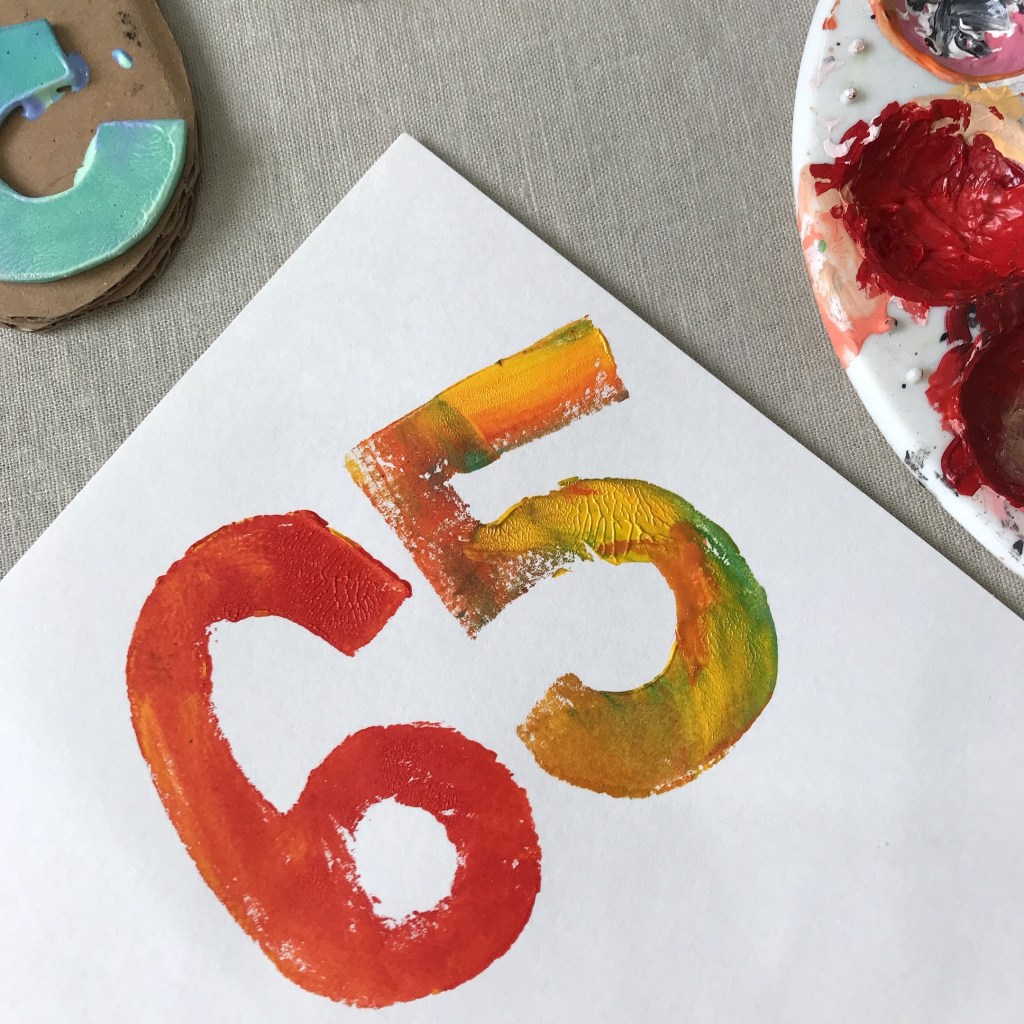
This activity can be broadened by making alphabet stamps or having the children draw out whatever shaped stamps they want themselves. To make this an open-ended activity, simply create shapes such as circles, squares, and triangles which children can use to build their own drawing.
Happy Stamping!
This activity corresponds with the following DRDP measures:
COG 1: Spatial Relationships
Child increasingly shows understanding of how objects move in space or fit in different spaces
COG 3: Number Sense of Quantity
Child shows developing understanding of number and quantity
COG 7: Shapes
Child shows an increasing knowledge of shapes and their characteristics
COG 8: Cause and Effect
Child demonstrates an increasing ability to observe, anticipate, and reason about the relationship between cause and effect
LLD 7: Concepts About Print
Child shows an increasing understanding of the conventions and physical organization of print material and that print carries meaning
PD-HLTH 4: Fine Motor Manipulative Skills
Child demonstrates increasing precision, strength, coordination, and efficiency when using muscles of the hand for play and functional tasks
VPA 1: Visual Art
Child engages, develops skills, and expresses self with increasing creativity, complexity, and depth through two-dimensional and three-dimensional visual art



 Sunny Sprouts by Miss Jane
Leave a comment